Visiting Taj Mahal had been the one and only reason for our stay in India. Visiting one of the World’s wonders was on both of our bucket lists. The decision to do so totally paid off.
What we experienced:
We started in New Delhi where a driver picked us up at about 2 AM. We had booked the tour some days before via viator.com and everything worked out fine. The driver even contacted us the day before to reconfirm the tour and gave us the most important information.
Airport viewWe got picked up in the early morning by Prem directly from our hotel in Delhi.
Driving through Delhi is far more relaxed at this early time than during the day. But also, the night could not cover the poverty, as there had been many people sleeping on the streets and sidewalks of the city. Overall, it took us about 3.5 hours to come to Agra. Prem, our driver, first told us about his hometown Delhi, the people living here, more about their languages and a bit about our goal, the great monument of love, Taj Mahal.
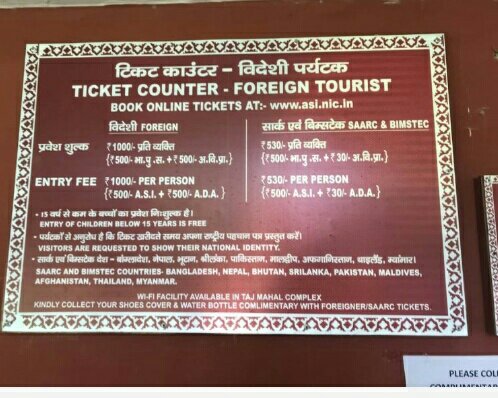
At the western gate we did not have to wait to get our tickets and enter the complex of Taj Mahal.
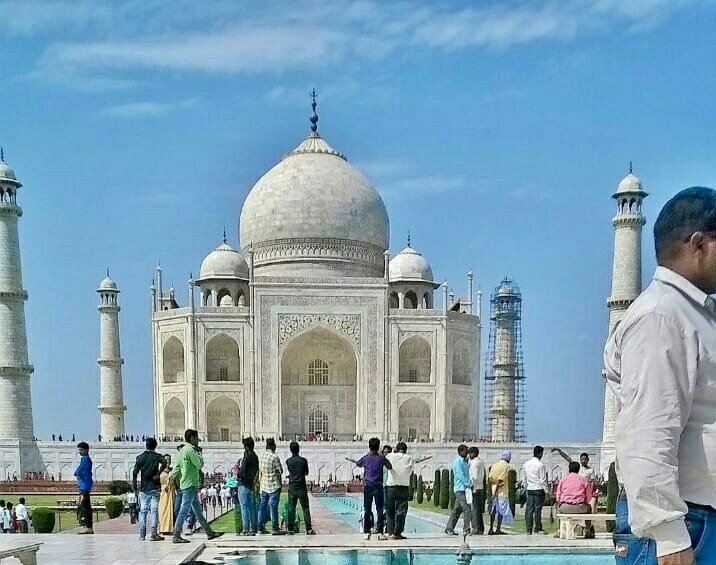
As we arrived in Agra and after we had picked up our tour-guide Rocky we had to walk the last bit of our way. We entranced via the western gate of Taj Mahal. Although you read about masses of people visiting it, the entry and later the whole visit were not as crowded as we expected.
In total, we had approximately 3 hours for our visit. First Rocky showed us around – but to be honest he did not tell us new stuff we had not already read about. Others guides we saw and heard did a better job.
So to make a long story short: Mumtaz Mahal was the third & favourite wife of the Mughal emperor Shah Jahan. She died in 1631 while giving birth to her 14th child. 1632 Shah Jahan decided to build the Taj Mahal as mausoleum. About ten years later the work on the mausoleum had finished. In difference to earlier Mughal’s buildings this was not made out of sandstone but of white marble and semi-precious stones.
Materials from all over the world were used to build the Taj Mahal
Back to the tour: The “professional photographers” are a bit of a pest and even got a bit angry, as we did not want their photos. For us taking selfies, getting some help from Rocky and asking other visitors to take photos of us two, totally worked out.
As we were there at sunrise, the Taj Mahal kind of glowed because of the Indian marble and stones they used to build it. The early-morning-trip was definitely worth it!
Our trip also included breakfast in a five-star hotel in Agra. The food is fine and the service is really trying to make you a good time, but thinking about the poverty and the situation outside the hotel’s gates the situation made it a bit surreal.
The next stop on our trip was just one to make us buy some local artwork made from the same marble Taj Mahal had been made of. Afterwards the wanted to talk us also into visiting a shop for carpets, for tapestry and for textiles. But we rejected the “offer” and made clear, that we just want to see Agra Fort.
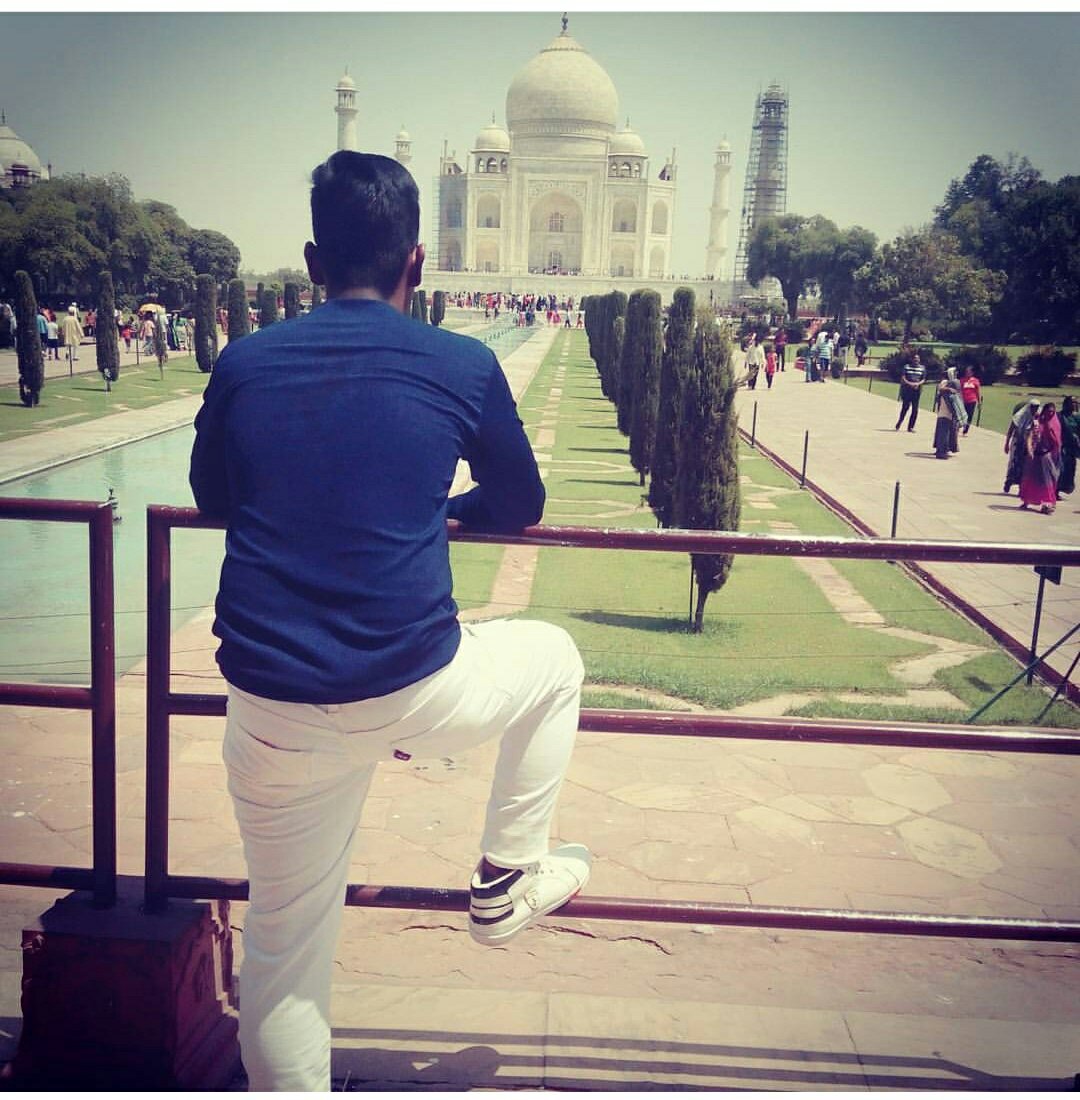
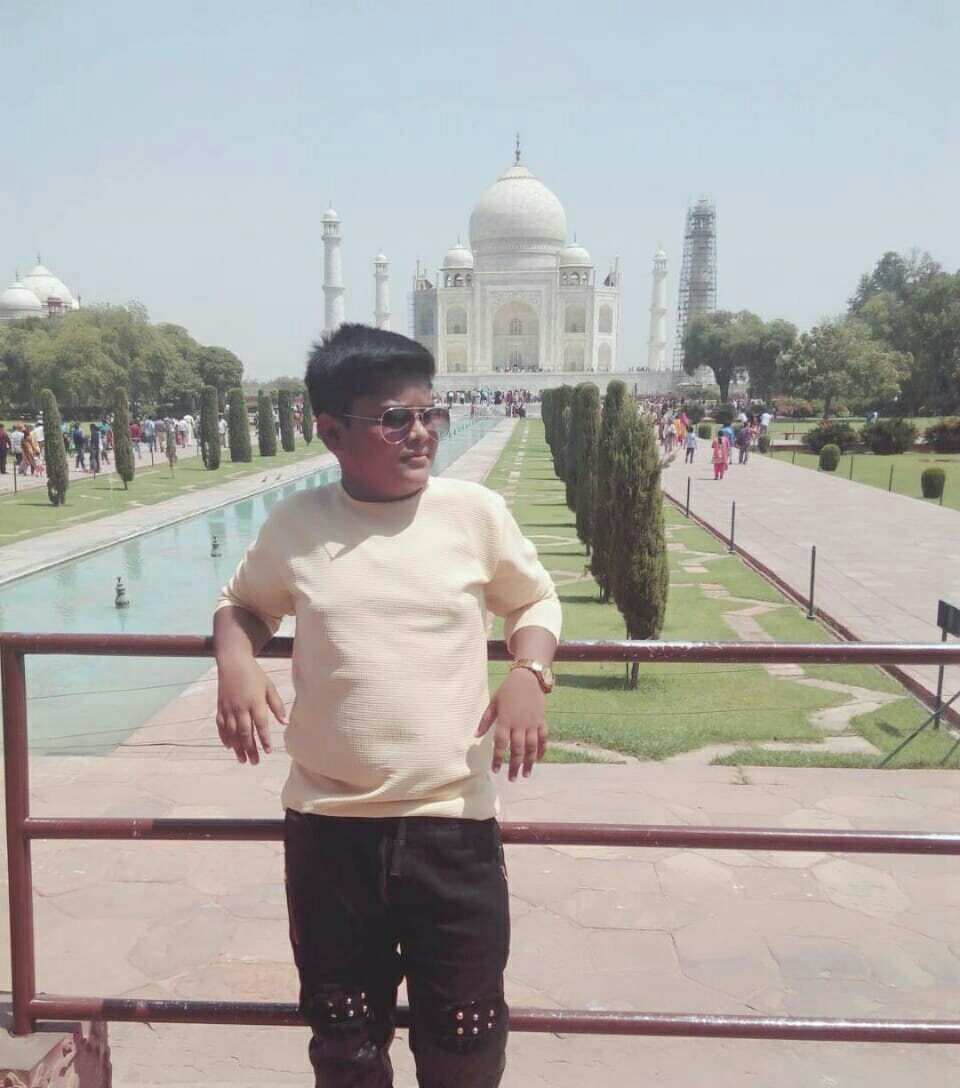
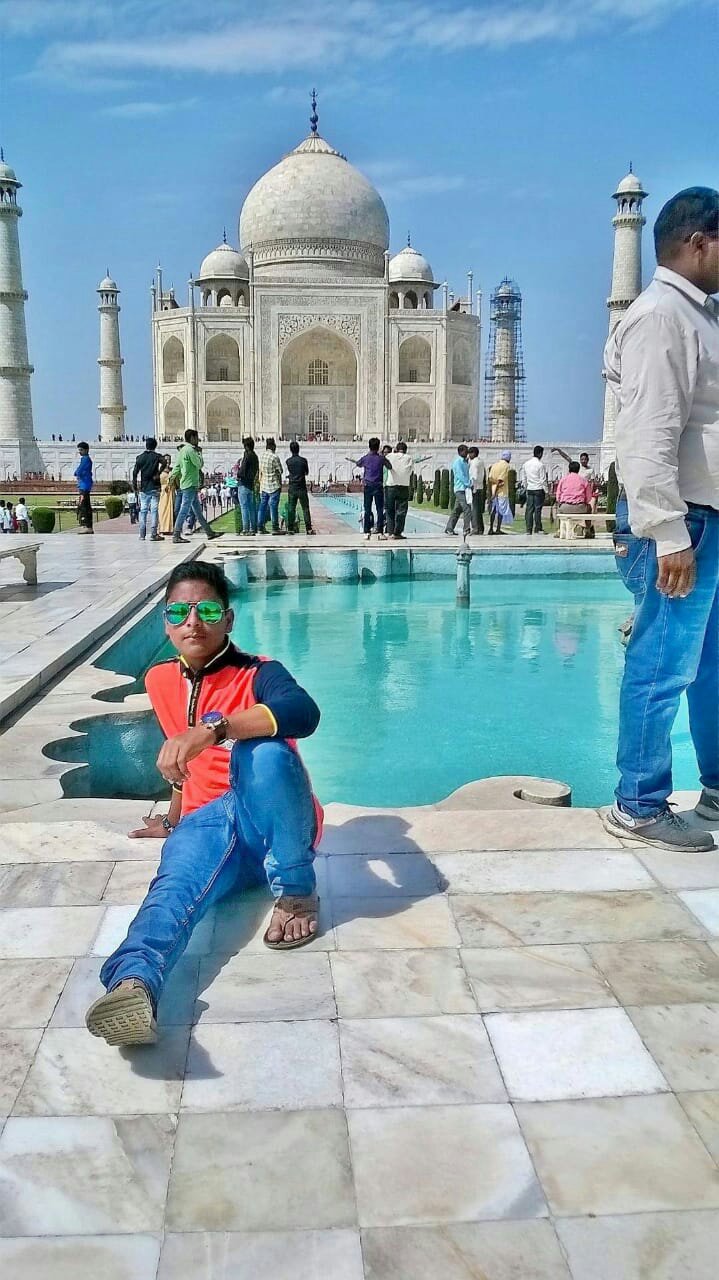
My Friend sitting in front of Taj Mahal
Rocky was not happy about this, but did as we had wished. Agra Fort itself was amazing. It is the place where the Mughal, the kings in that time, lived. Not only it is a massive palace made out of red sandstone (which looks really amazing). You also have a perfect look at Taj Mahal. That is because Shah Jahan loved his wife so much, he always wanted to see her (or at least the place where she lays buried).
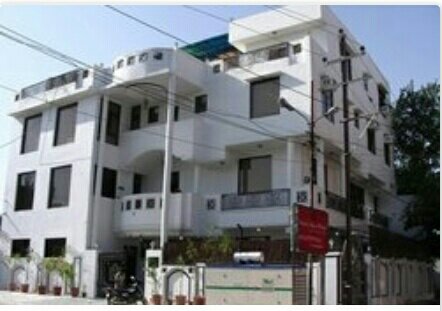
Hotel in Agra to stay
Food & Restaurants:
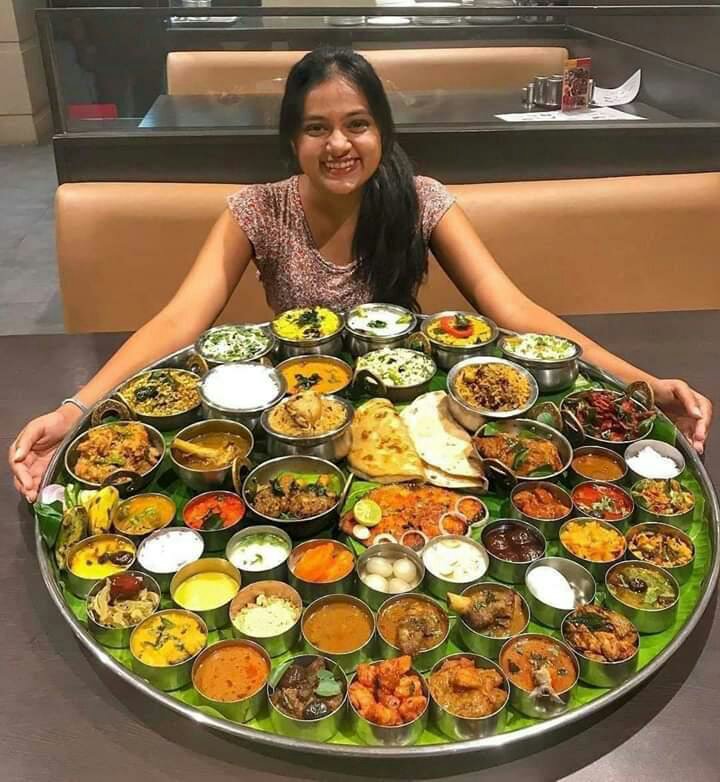
We ate most of our meals at the home-stay, which was great, comforting, home-cooked food. We tried a thali at one of the small eateries outside the South gate of the Taj. It was fresh, hot & great value for money. For a special night out, we were recommended the restaurant ‘Pinch of Spice’. The Indian food there was very good (we steered clear of the Chinese or Italian options on the menu). But, if you are looking for a great ambience, it’s nothing special…. It’s got regular indoor seating, piped music & a TV
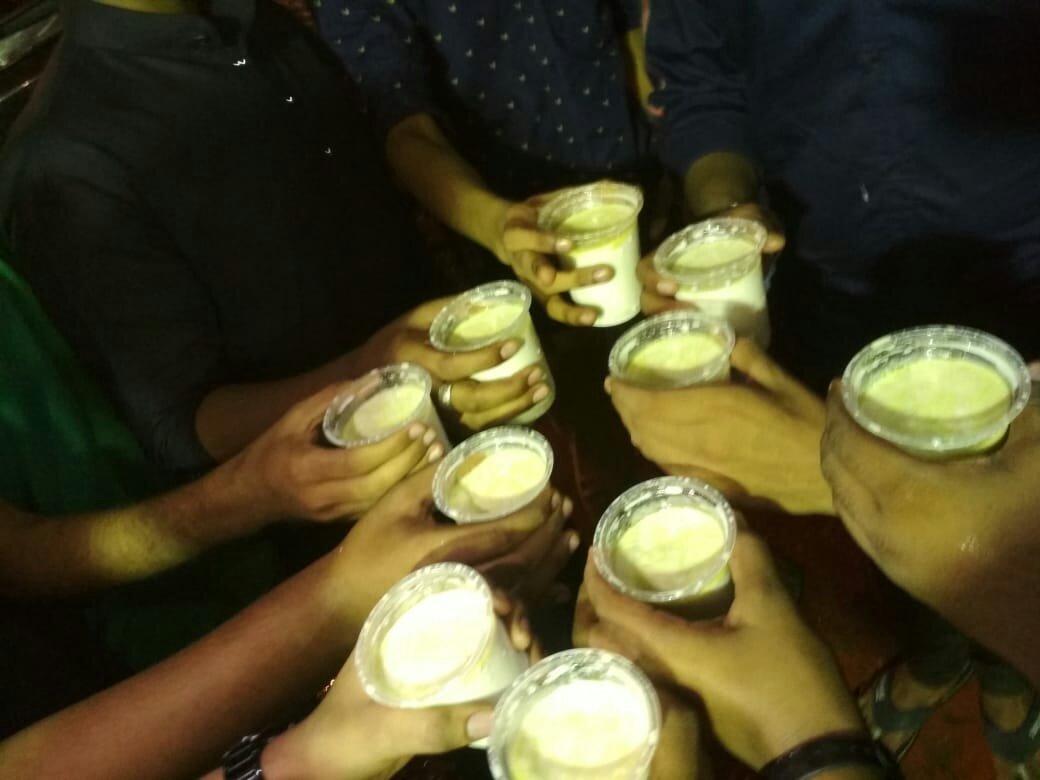
Indian Special ThaliBadam Milk Shake
Shopping:
The descendants of the craftsmen who worked on the Taj Mahal live around Taj Ganj. A lot of them practise the craft of inlay work that is sold through various stores. We checked out quite a few stores but weren’t happy with the craftsmanship. As we didn’t have a very high budget, we didn’t go to the very expensive showrooms either. We finally got what we liked, at Subhash Emporium (which had been recommended by our guide book). They also have great inlay work pendants, which make for attractive souvenirs. We also wanted to buy a small model of the Taj Mahal & had been warned about soap-stone being passed off for marble. Again, we didn’t like any that we saw (the craftsmanship wasn’t great). The best were at Subhash, but, we didn’t buy one
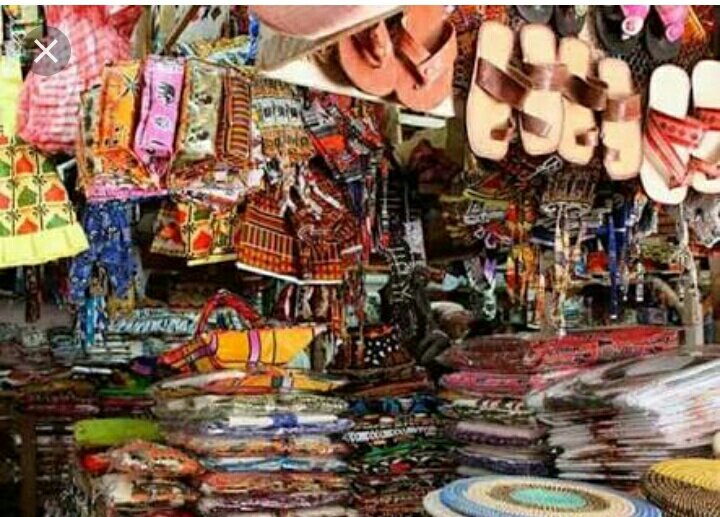
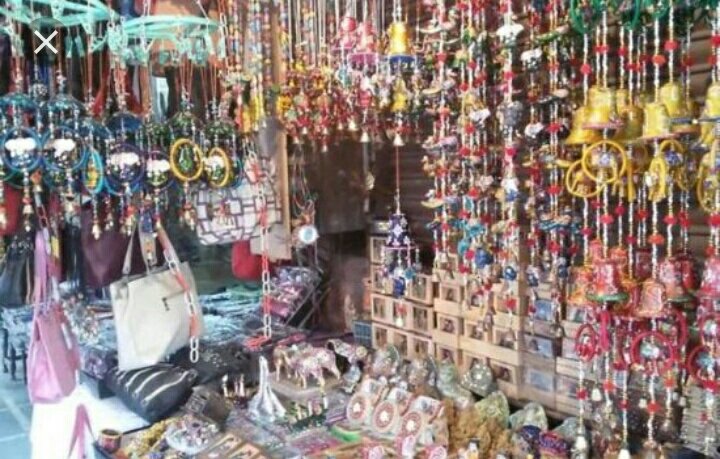
Agra Market
Our recommendation:
After this visit (and some further discussion about going to the tapestry…) we drove back to the airport. It took us about 4 hours but in the meanwhile Prem told us more about India again.
Agra Airport
We decided to take this private tour because it was the most comfortable way for us to see Taj Mahal. We did not have to think about what to do with our luggage, search for the right train and so on. So for us it has been totally worth it. If you want to discover Taj Mahal on your own and in an more adventurous way you could also take the train from Delhi to Agra – which should also be fine for a day trip.
Our tour:
My Travel Blog Profile
The tour was offered at Happy Journey Holiday We give this tour 4 out of 5 points. Our tour-guide could have been more chatty and you just have to say no to the shopping-locations. But all in all it is a good tour for all of you who want to see this monument of love by themselves.
Thorough planning (or lack of it) can make or break a trip, so take the time to master your budget, time your trek and assemble the perfect itinerary.
Design an itinerary
Do your interests lie in centuries-old culture or do remote mountain passes appeal? For ancient monasteries, Ladakh or Little Tibet are the places to go. If you want to trek through luxuriant forests then consider exploring Sikkim. For spectacular mountain views, the little-trekked trails of the Garhwal are on par with the best in the Himalaya.
Above all, don’t be too ambitious with your itinerary. Allow plenty of contingency days for acclimatisation, inclement weather, porters that disappear without notice for half a day, village celebrations, or taking an extra day to savour a stunning campsite. Understanding the Himalaya would take lifetimes to achieve, so don’t expect to master the mountains on a single trip.
Set your budget
If you’re trekking independently, work out the cost of hiring a guide, porters, food, accommodation and transportation – and then double it. That should take care of all other unforeseen costs that always seem to creep into a tight budget. If your arrangements are made by a trekking agency, plan to keep money at hand for tips (likely to come to 10% of your total budget).
Time your trek
March until June are often considered peak trekking season, but make sure you stay weather-aware throughout your trip. The Himalaya are subject to a weather pattern so complex that even experienced travellers can find themselves caught out. The regions of Himachal, Uttaranchal Darjeeling and Sikkim are subject to heavy monsoon rains so avoid July and August if possible. The Indian Himalaya also experience a long and cold winter from mid November until March – during this period, it’s best to head to Nepal.
Safety first
Your travel planning needs to go beyond government travel advisories. Trekking is a specialist activity so read up on acclimatisation (it could save your life) and don’t assume you can rely heavily on your GPS when you’re out there. Even the most detailed contour maps tend to be unreliable in some remote areas, so your best investment by far would be hiring an experienced local guide.
Check your gear
There’s no one to impress in a remote mountain pass, so forget fashion and make sure your gear is sturdy enough to withstand the changeable mountain weather. There is no reason to invest in all the latest outdoor gear, provided your trekking gear is in good shape. Unlike Nepal, good gear still comes at a premium in India. If your arrangements are being made by an agent, double-check what is included. When in doubt you’re best to at least bring your own sleeping bag and sleeping mat and even your favourite (lightweight) tent.
View of Ama Dablam from Pangboché village, Khumbu, Nepal, Himalaya range of eastern Nepal. Image by Michal Petro / Flickr / Getty Images.
Tips for the trek
So you made it to the mountains; here’s how to protect your gear, pace yourself and befriend the locals.
Be positive and pace yourself
Being in the right frame of mind is equally as important as your physical preparation. High altitudes aren’t the place to unleash fraught emotions, so try to keep calm during frustrating moments, and leave enough leeway in your itinerary that you won’t feel flustered if your plans go awry. Keep your trekking to the same pace as the locals. Your trekking mantra should be ‘short steps, deep breaths’, particularly when ascending steep passes or completing long uphill stretches. And don’t cross rivers or swift flowing streams barefoot: your boots will always dry out, but sprained ankles equal end of trek.
Protect your gear
Use a sturdy kitbag for your trekking gear: these can easily be replaced after constant contact with thorn bushes, jagged rocks and being offloaded into dusty campsites, but don’t risk damaging your expensive rucksack (by having it strapped directly to a mule). And while it’s tempting to walk with your camera at the ready, your chances of spotting a snow leopard on a distant ridge are on par with winning the lottery. Dusty trails and expensive cameras don’t mix, and a slip on the trail could result in untold damage to your photography gear.
Keep your essentials at hand
Always carry your water- and wind-proof jacket with you, together with a dry pair of socks and a spare sunhat (or two – they’re all too easy to leave behind after a rest stop). A supply of stuff bags is a good investment, to ease the constant cycle of packing and repacking. Buy an umbrella locally, not just to keep off the sun and rain, but also to shield your modesty during mountainside bathroom breaks.
Be courteous and flash a smile
Get into the habit of saying a Salam, Namaste or Julay while on the trail. Remember that the local people are always interested (or amused) that you have travelled half way around the world to meet them. Carry a few photographs from home to show them your family or friends, and that will help to break down the cultural barriers. But don’t assume you can get snap-happy with local people: photography in some remote regions can cause offence. Wait for permission (a smile at least) before bringing out your camera.
Respect the environment
Don’t start wood fires or pollute water sources – you might be thousands of miles from home, but the smallest careless actions can be disastrous for local ecosystems and people. Plan to leave with the rest of the trek crew to ensure that your campsite is cleaned up and garbage carried out (it’s eco-conscious, and also avoids the possibility of any of your belongings being accidentally discarded).
It is a beautiful hill station in the state of Kerala, famous for its serene views, amazing weather, tea gardens and spices.
The nearest airport is Cochin International Airport (Kochi) from where you can hire a private vehicle to reach Munnar. Although it is a 4-hour drive from Kochi to Munnar, it stretches to 7 hours because of site seeing on the way which includes 3 waterfalls and any one of many spice gardens.
Cheerayappara and Valara waterfalls lie on the way to Munnar while Attukad waterfall requires a small deviation.
Cheerayappara Waterfalls
Valara Waterfalls
Attukad Waterfalls
As mentioned earlier there are many spice gardens on the way. They offer a small tour through the different plantations of fruits and spices which grow in Kerala, simultaneously explaining the processes involved in their extraction. Entry fee is Rs 100/- per person. There is no additional charge for the camera. Towards the end of this guided trip you will be taken through a shop which claims of selling authentic spices and other ointments.
Arebica Coffee
Black Pepper
Cocoa
Stone Banana
Turmeric
You will only have a few hours of day light left on reaching Munnar. In case you have energy left, you can visit the Tata Tea Museum. The museum remains open from 10am – 4am on all days except Monday (closed). However, if you have seen a tea museum before, you may skip it.
After the Tea Museum you will still have time for sunset. There is no sunset point as such. Although, some sources on the internet mention ‘Pothamedu View Point’ in their travel itinerary, it is just a regular place with a view of the tea gardens. It is not exactly a sunset point. To enjoy the beautiful view of the sunset, one has to travel a few kilometers towards Kochi on Kochi-Munnar Highway while keeping an eye on the setting sun. You will come across many points on the south facing roads from where you can enjoy the sunset.
Eravikulam (Rajamalai) National Park
It is located around 10 km from Munnar and is known for its diversity of flora and fauna apart from having Anamudi (2,695 m), the highest peak in India, south of the Himalayas.
Although the National Park is open from 8:00 am to 4:00 pm, it is advisable to reach early to beat the rush and the heat. It is also advisable to make reservation from Munnar itself from a booking window located near PWD Guest House to avoid a big queue at the National Park. On reaching the National Park, there are separate counters for those with advance reservation from where you will have to buy the tickets including one for your camera. Despite reservation you will have to wait for your turn to board the bus which will take you to a point inside the National Park. Beyond this point you will have to travel on foot.
Tahr which is a kind of mountain goat can easily be spotted inside the national park. We also spotted a bison from the bus.
Anamudi Peak
Tahr
Bison
Top Station
Located around 35km from Munnar, Top Station is 1.5-hour drive from Munnar. Many other tourist spots around Munnar are located on this route.
This place is so named because it was the topmost station used to transport tea via ropeway from Munnar to Bodinayakkanur from where there was rail connectivity. There are also places called middle station and lower station.
We had our lunch at ‘New Guru’s Restaurant’, which was tasty and economical.
While searching online we came across many sources which described Top Station as a place where one is above the clouds. However, we did not have any such experience. Rather we found the place a little foggy thereby hampering our view. This place is nothing but a viewing point. Its altitude is also not very high, so it is difficult to imagine being above the clouds. Over all we didn’t feel that the experience was worth the drive.
Mattupetty dam, Kundale dam & Eco point
You will cross two dams on your way to Top Station. Echo point is located between the two dams nearer to Mattupetty Dam. Echoes here are not very prominent, so you will have to shout loudly to experience the effect.
The most fascinating thing about these dams is that they are made on the same river. No where else are there so many dams on the same river.
Neelakurinji Trail
Nilkurinji is a flower which blossoms once every 12 years, next being September this year. It changes the view of the landscape. Its distinctive blue color enhances the beautiful view even further.
PS: This picture has been taken from google images.
Where to eat
Sarvana Bhawan is the best option for vegetarians. In case you are a non-vegetarian then you can also explore the street food market in the evening.
Where to stay
There are many good options of hotels and resorts which can easily be booked online.
What/Where to shop
Munnar is famous for its spices and home-made chocolates. Although there are a lot of shops in Munnar, we purchased spices from ‘Krishna Spices’ which is located near the taxi stand. We went there because of its good word of mouth and were not disappointed. But while we purchased spices from this shop we did not purchase chocolates from here because we found these less tasty as well as a little costlier as compared to other shops in the market.
Planning a trip to India? Here are specific travel tips to make it easier to navigate. After spending over 8 months traveling through much of India, we wanted to share our insights with others who are planning on visiting. For our broader views of the country visit Impressions of India.
Hotels 🏨
Hotels are very inexpensive compared to North America and are available for every price range. Comfortable budget hotels are roughly 1000 – 1500 INR in India and are usually comparable to a $120 room in Canada. However, remote areas and less touristy towns may have the same prices for much less comfortable rooms.
Here are a few important tips:
Watch out for foreigner rates. Some hotels have one rate for Indians and another for foreigners. If you bargain hard, you may be able to get the cheaper price.
Some hotels will not rent one room to an unmarried couple (unsure about same sex couples).
Certain hotels do not rent to international travelers. Watch for the small print warnings when booking on-line.
Cheaper hotels may not have towels, and many may not give you toilet paper until you ask.
Bring a padlock as some hotels use padlocks instead of a regular door lock.
Our bedroom, Kotra Haveli, Udaipur
Hotel Bedroom
Hotel door locks
Touts, scammers and beggars
Everyone sees dollar signs (or rather Rupee signs) in their eyes when they see you. It’s very tiring to always have to argue for a reasonable price for everything from snacks to hotels to auto-rickshaws.
Use these tricks to help:
Use Ola/Uber apps to know the market rate for auto-rickshaws (tuk tuks) and taxis.
Don’t use an auto-rickshaw/taxi to find a hotel. As with anywhere, it will be for their benefit, not yours.
Ask hotels for their local prices or use on-line booking companies.
Beggars come in many varieties, from the poor family living on the streets to fake Sadhus (holy men) dressed up for photos to those simply taking advantage of a situation because you’re there. There are far too many to help, so you have to get a thick skin and continue to walk by.
Reply to an auto-rickshaw driver when they say ‘Where are you going?’ by saying ‘I don’t know, do you know?” It stumps them.
Reply to a begging Sadhu by saying ‘peace man’ or show a ✌️. They usually laugh.
Reply to a tout with ‘We went on that tour this morning’ or ‘I just bought one’, or best is to just ignore them and keep walking.
Ignore people who say they work for the temple or city and want to give you a free tour. It’s a scam and they will expect a ‘donation’.
Beggars outside Jagannath Mandir
Auto Rickshaws, Delhi
Sadhu in Haridwar
Entry fees are on the rise
Costs recently increased at most tourist sites in India resulting in an unreasonable fee for foreigners. If it’s 50 INR for an Indian, it’s 600 to 1200 INR for a foreigner. That’s 10 to 20 times more expensive. Almost all government run sites are 600 – 1200 INR per exhibit.
No Lining-up
Indians don’t like to line up. They’ll push and but in front of you before standing in line. Just tell them you were here first and they’ll move behind you.
SIM Cards 📱
Internet coverage varies with areas, but we found Airtel to be the most consistent throughout the country. If you’re just going to remote areas such as Ladakh, you may consider BSNL, the government service. It’s not as easy to get a SIM card in India as it is in other countries in Asia.
How to get a SIM card in India
Go to an authorized shop selling SIM cards for the provider you want.
Pre-paid SIM cards are available for 28 or 84 days. These can be reloaded, but will not be valid once your visa expires.
Complete the foreigner paperwork at the shop.
You must provide originals and copies of your passport and visa and a passport sized picture with the forms.
Use your hotel for a local reference.
The shop will submit the forms for you, but activation can take 3 to 5 days so it’s not great for a short vacation.
After 3 – 5 days you can activate the phone via codes texted from the service provider.
Note: You must be in the same calling area for this activation. For example, we purchased ours in Manali, Himachal Pradesh and then went to Punjab for a week. We weren’t able to activate our plan until we returned to Manali, not even to from another city in the state.
Rates will change, but in 2019 we paid only 495 INR for 84 days with 2GB of data per day!
Avoiding Delhi Belly 🤢
Traveler’s diarrhea is common, so you need to be careful. Here are quick tips to avoid:
Don’t drink tap water. Buy bottled water, use purifying drops, tablets, filters or UV rays to purify your water. This includes ice.
If a restaurant or vendor is busy, it doesn’t necessarily mean it’s good or safe, it can also mean it’s cheap. Only eat at clean restaurants and vendors.
Fresh fruits and veggies are dangerous if not cleaned properly. If buying yourself, remove the skin or clean it with boiled or purified water.
Be on the look-out for pre-opened and re-filled water bottles. We only came across this once, but heard of it happening to others. Always check to make sure your bottle of any drink is sealed.
Be cautious with dairy products like milk or ice cream that may be made from unpasteurized milk.
Consider eating vegetarian during your stay as meat is not refrigerated and markets are open to all types of insects.
Visit your travel doctor before leaving to get all the up-to-date shots and medicine.
Regular hand washing and using sanitizers is very helpful to prevent viruses and bacteria for everything from flues to Delhi belly.
Street food vendor, Haridwar
Making chapati on the street in Amritsar
Inside a Dhaba
Street side restaurant, Haridwar
Street kitchen, Old Delhi
Selling snacks on Model Beach, Puri
Safety 🔒
We never felt unsafe while in India, but there’s always a potential for petty theft, especially in the touristy areas. The best rule is never entice a would-be thief.
Leave your expensive jewelry at home so you are not a target.
Only carry the amount of cash you will need for the day in your wallet. Keep the rest in a money belt.
There are starting to be more cashless options in India, such as PayTM, which would be safer than cash. So far, these are only available in larger centres.
As with many places, never leave anything unattended, or out of your line of sight.
Use your own padlocks on hotel doors when possible.
Dress 👚 👖
India is a very conservative, patriarchal society and visitors should abide by their customs. Part of being safe is not standing out or attracting unwanted attention. People will stare at you for being a foreigner, but usually it’s curiosity and not lust, but don’t give them the opportunity either.
What should women wear in India? Dress modestly, this means:
Wear clothing that is loose fitting, especially on your legs.
Wear long skirts, dresses or pants that go to the ankle. Indian men never see legs, so don’t let yours be the first.
Instead of a long skirt, wear leggings under a loose knee-length tunic. Leggings/tights are not appropriate on their own.
Sleeveless tops, but not spaghetti straps, are okay in most centres.
Bathing suits of any kind are not advisable anywhere except on some beaches in Goa and at resort hotels.
Take a scarf to cover up when needed.
Temple/gurudwara/mosque attire is very modest:
Hindu/Buddhist Temples- cover up from shoulder to ankle, remove your shoes
Sikh gurudwaras – cover up from shoulder to ankle and cover your hair, remove your shoes
Muslim mosques – cover arms, legs and hair, remove your shoes
What should men wear in India? Men should also dress conservatively:
Wear loose fitting long shorts or pants
Loose fitting shirts with sleeves.
Temple/gurudwara/mosque attire is very modest:
Hindu/Buddhist Temples- cover up from shoulder to ankle
Sikh gurudwaras – cover from shoulder to ankle and cover your hair
Muslim mosques – cover legs, arms (short sleeves may be allowed) and in some you will be require to wear a head covering
How to dress to an India mosque
How to dress in India
How to dress in India
Toilet paper
Toilet paper is not common at most public washrooms including restaurants. Carry a small amount in your day pack. It is also not uncommon to have your hotel try to avoid giving you toilet paper, or not giving you a replacement roll after a day or two.
Do not dispose of toilet paper in the toilet. Throw it in a waste basket instead.
Indian time
Don’t expect 5 minutes to be 5 minutes. We found that most people do not operate on a time schedule or judge time as westerners do. When they say it will take in 5 minutes, reality is it will be anywhere from 5 min to 2 hours.
Weather
Check seasonal weather before deciding when and where to go. This sounds obvious, but weather can be very extreme and affects not only your site-seeing, but also the condition of roads getting to and from. Weather can range from monsoon floods to scorching heat to snow and ice. Know the best times to go to your planned regions.
Palolem Beach, Goa
Day 3 of the blizzard in Khoksar
Sachen Gompa, Camp 2, Goecha La Trek
Travel
It’s a large country and it takes a long time to get anywhere. If you only have a few weeks, don’t try to see too much of the country at once. Instead, choose a few sites that are close together or in neighboring states. 100 km will take 3 – 4 hours by bus or jeep. If you have a lot of time, then definitely explore the different regions of this amazing country.
Train
It is very difficult to travel by train as a foreigner. To purchase a train ticket there are a few options:
To book on-line you need an Indian bank account and a permanent address so it’s not easy for foreigners.
Last-minute tickets are available at train stations or travel agents, but as this is a favourite mode of transportation of Indians, you’re often left with limited options and may have to wait a few days.
A few stations in large centres (eg Kolkatta, Varanasi, Chennai) have International Tourist Bureaus to help travelers book their travel. There are only 11 of these offices so you would need to book most of your trips at once, but then you will not have flexibility to change your plans.
Select your train numbers, class and dates for every trip
Take this list when you go to an International Tourist Bureau.
Warning – The latest scam is for someone to pretend that they work for the train station and tell you that Bureau has been relocated. They’ll send you to a travel agent who is pretending to be the Tourist Bureau.
Train classes:
Choose 2A (2nd class AC, sleeper) or CC (seats for shorter trips) as they are the best choice for price and comfort.
Avoid 3A and SL class cars. They are cheaper, but usually very crowded and uncomfortable are.
Trains are rarely on time. Once we had to wait 6 hours for a train to arrive and our destination was only 4 hours away.
SL class on an Indian train
Bus
Sleeper Buses – There are many different types of buses in India. For long-haul routes sleeper buses are preferred. These come in many different conditions so do your research before buying a ticket. We found Redbus.in and Orangetravels.in were good on-line companies to book overnight buses.
In southern and eastern India the overnight buses were actually quite nice with clean sheets, pillows and a solid door and included a snack and water. In western India the buses were more run-down and didn’t have sheets, pillows or snacks, but the prices were about the same as in the east.
Choosing a overnight bus: • Prices for overnight buses are reasonable at 800-1000 INR for a clean bus. • Volvo buses will have the smoothest ride. • A/C Sleeper (2+1) – Air conditioned with upper and lower bunks, one side of the bus has double beds for 2 people, the other side has a single bed for 1 person. Each bed is in its own compartment. • A/C Semi Sleeper (2+2) – Air-conditioned bus with reclining seats, 2 seats on each side. • A/C Seater / Sleeper (2+1) – Air-conditioned bus with beds on the top (double bed on one side, single bed on the other) and the bottom row has reclining seats usually 2 seats on each side. • These may all come Non-A/C as well, so be careful. Read the reviews before booking.
Aisle in a sleeper bus, India
Local buses – Other than hiring a car and driver, local buses are often the only way to get between smaller centres. Local buses are usually crowded, uncomfortable and slow, but they’re also a great way to see real life. Prices are very cheap, usually under 100 INR for a 2 hour ride. You usually can’t book ahead, and they only accept cash. Most use the city’s Bus Stop (Station).
Inside of a local bus, India
Public bus, Alleppey, Kerala
Traveling Indian style
Roads can be in very poor conditions in parts of India. Some areas are completely cut off during monsoon season or winter. Check local reports before traveling to remote area.
Car on a pedestrian bridge after the storm damaged the vehicle bridge